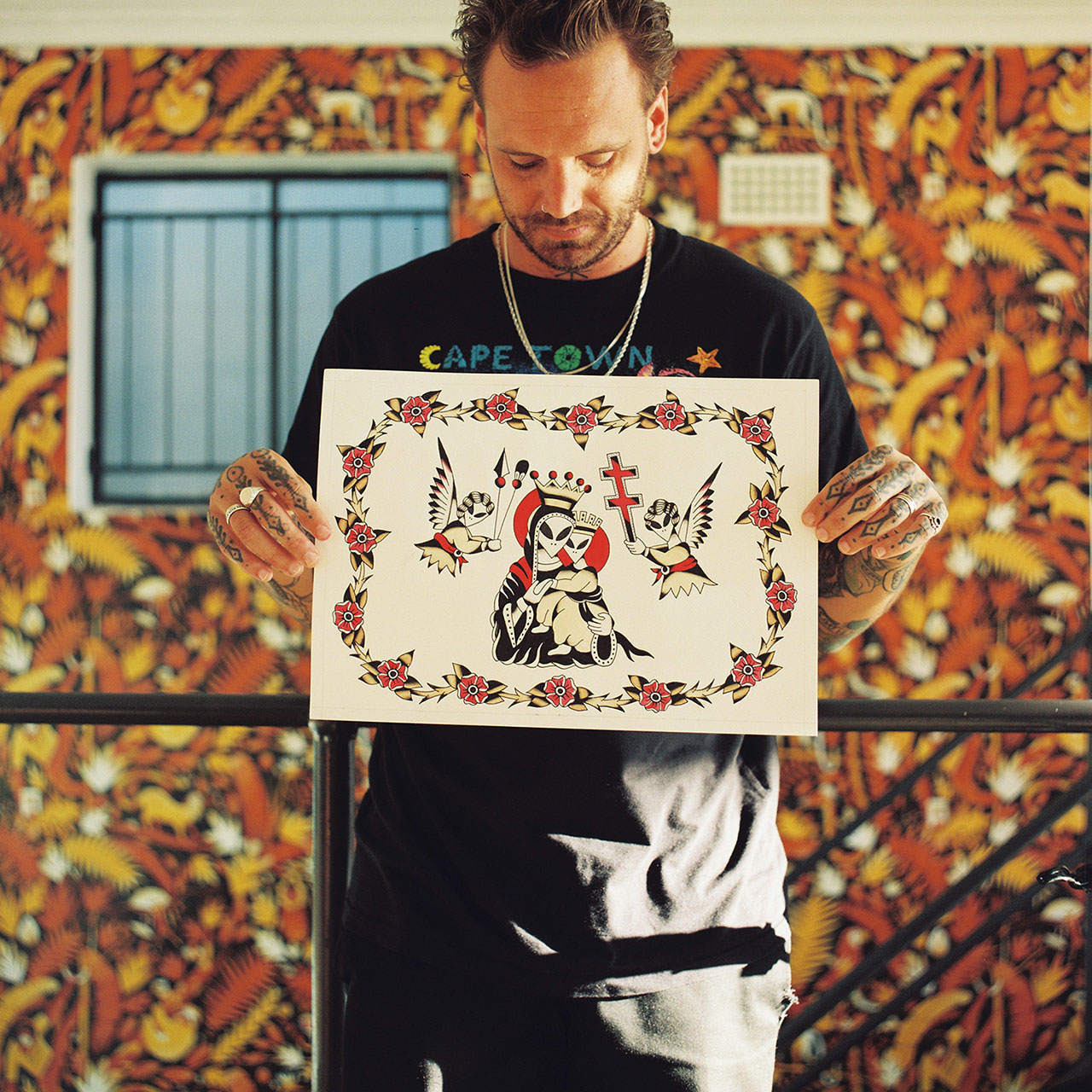
Ralph Borland, Cape Town based artist whose subversive art stretches globally.
Ralph. Before we talk art let’s talk frisbees? You are a total Freestyle Frisbee Fanatic? Tell me about this passion.
I think this started with my friend Platon on Clifton Beach in the early 2000s. I love learning little skills – I learnt to juggle as a teenager. And I love being attached to a flying object, and seeing how your brain and body can somehow work out where to send the disc without too much conscious thought. Getting high and skimming a frisbee on the wet sand by the water’s edge, half in and half out of the water on a sunny summer’s evening – what could be better? I’m a freestyler – which is a bit of a fancy way of saying I like to throw and catch a frisbee with a one or two other people – and not so into ultimate frisbee, the team sport like American football with a frisbee, though a bunch of my friends are into it. I guess I’d rather spend more time throwing and catching the frisbee than running after it!
You are serious record collector and an avid dj. You just did 11 live installments on a11 Radio over the last 11 weeks. How far does your musical activities stretch back?
Since art school when I was a promoter and DJ with my buddy Adam Lieber, but also as far back as sitting on the kitchen floor as a kid with my family’s radio-cassette player, making my own mix tapes from the pop music I heard. Even then I had a strong sense of what I liked, and was attracted to the synthetic sounds of emerging electronic music. I am a child of the computer age! An 80s Futurist. Wherever I’ve been, from Cape Town to Harare, New York to Dublin, I’ve DJed and promoted. During lockdown it’s been a lifeline having the social engagement and motivation to go through my record collection for my radio show Good Sounds Great Music on a11radio.com Thanks Andrew Aitchinson!
You can also listen to back episodes of the A11 shows.
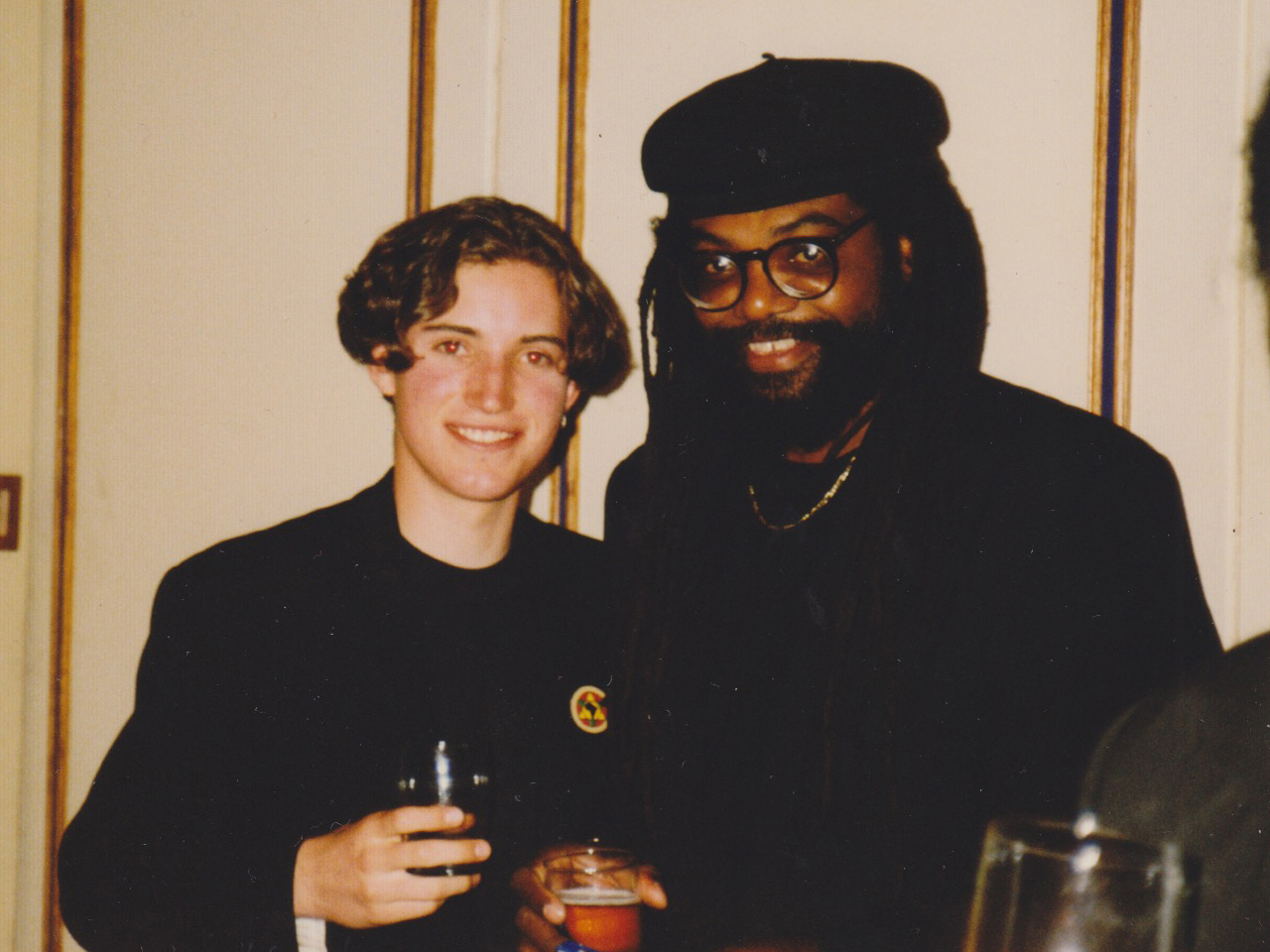
Ralph with Third World bassist Richard Daley in Harare in 1991.
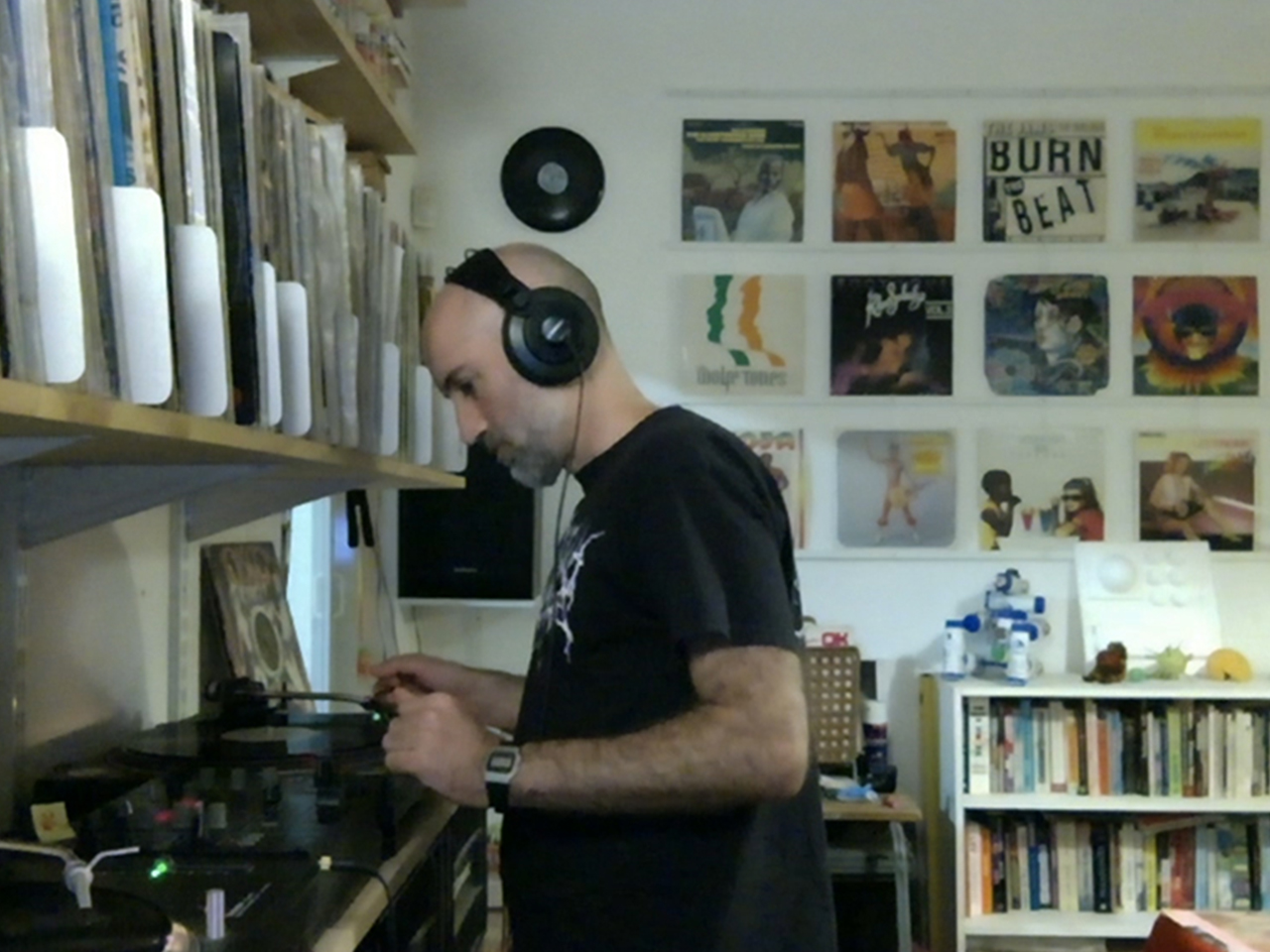
Ralph on a11 Radio. Cape Town 2020.
Give us five words that describe you or your art?
Activist, critical, sensational, pop-cultural, ambiguous.
You just returned to South Africa after a trip to the USA. What was calling you to America?
I was starting work curating an exhibition at Science Gallery Detroit called Future Present: Design In A Time of Urgency. It is set to open on September 11. I was in the city for a week to scope things out and meet with the other curators.
This builds on my work with Science Gallery – the exhibition Surface Tension at Science Gallery Dublin on 2011 and my ongoing work with Science Gallery International which includes trying to launch a science gallery in South Africa with local universities.
Did you experience any COVID- panic abroad?
Detroit started shutting down a few days after I arrived – I’d wanted to go to some roller skating rinks for their iconic techno parties, and I couldn’t! Also, I was staying in a historically Irish area of Detroit called Corktown, and it was St Patrick’s Day weekend – there were meant to be parades and parties, and none of it could happen. I went to what was maybe the last bar open in Detroit, Motor City Wine, and had a look at their cool rotary mixer and chatted to the barman, but they’d told the DJ not to come that night. Bummer.
I was meant to go to New York for a week after that but cut my trip short to just two days. Lucky I did, because international flights into South Africa shut down a few days after I arrived home. But my two days in New York were great. I hadn’t been in the city for seven years, after living there for four and been back several times. I got on my friend’s bike and covered a lot of ground, dropped in on a few friends, saw some art and design sites outdoors, visited my old neighbourhoods. NY was freaking out though, in part – very NY to not freak out, some people were chill. But some were already in total isolation.
Surface Tension, as mentioned above was an exhibition exploring the future of water in 2011. Have any of the directions or ideas risen to prominence? What is the current state of water considering Cape Towns recent water crisis in 2018?
This came out of my PhD thesis I wrote at Trinity College, titled ‘Radical Plumbers and PlayPumps – Objects in development’(2011). My research was into the design for the developing world, with a focus on the South African PlayPump, a children’s roundabout which pumps water, which sounds great but was a bit of a disaster. I also wrote about prepaid water meters and the struggle by activists in South Africa against these. These struggles continue in South Africa against the commodification of basic rights. The recent water crisis in Cape Town highlighted tension around water as seen from different class perspectives, with middle-class people focusing on their initiatives to save water personally, while the working class and poor communities were afraid of the crisis being used to continue the commodification of water and basic services.
Your education and art career spans across the world. Do you feel the current global hysteria and epidemic will ‘design or un-design’ our future as a global village?
Interesting question. We can see the rise of nationalism in response to the crisis. Even though people might think of it as a harmless or positive example, I feel uncomfortable with using nationalism and patriotism as motivation for solidarity. We’re mostly somewhere by accident, not design. Let’s be proud to be people, not one nationality or another. There are positive and negative aspects to being connected – there was a broad political struggle against economic globalisation because beneath the nice-sounding name ‘globalisation’ was a movement to exploit poorer countries by richer countries and multinational corporations. If the world was a village, what would that village look like? Let’s globalise resistance, not make it easier for corporations to exploit workers and consumers. Hopefully, we can redesign economies for a greener future, something which is the subject of much attention now.
Do you have any hope for civilization? Do you have design suggestions that could make the world a better, safer more livable place for people until the world ends?
Hmm, you’ll have to get back to me on that one! There are a couple of words here I would flag: technocratic, and a made-up one I like, techno-machismo. So technocratic solutions think that we can solve problems just through design or technology. History would suggest otherwise. It’s the politics and ethics of how we apply technology that is important. Techno-machismo is what I call the attitude that we shouldn’t worry about the negative effects of technological solutions (like nuclear waste) because we’ll solve them – so don’t be a wuss and just get on with it. Or approaches like geoengineering where we try out large scale novel approaches to averting climate change that will quite likely have negative and unforeseen consequences. Why don’t we start by producing and consuming less rather than inventing something new?
What does critical design mean, to you, in the bigger art context and is critical design relevant to all art forms?
Critical Design is one of the approaches to design that falls under the umbrella term Discursive Design. It comes mainly out of the work of two design academics Anthony Dunne and Fiona Raby. They ask why design cannot be a medium for asking questions, and presenting scenarios, in a similar way to art, rather than being strictly functional. They imagine that if a designed object was a novel, might it not tell dark stories rather than just happy ones, as mainstream design tends to do. I like their concept of Design Noir in this realm. Critical Design overlaps with some forms of Interventionist and functional art because they all use functional objects to raise issues, ask questions, and attract attention to an issue.
You spent your youth in Zimbabwe. Were you exposed and involved with art and design during your school years there?
My family moved from South Africa to Zimbabwe in 1986, when I was 12 years old, in my last year of primary school. I mostly went to co-ed government schools and learnt from a new school syllabus that worked from a socialist and African perspective. It was pretty good. I was exposed to black American music like New Jack Swing as well as international dance music through popular TV show Sounds on Saturday, as well as local music which Zimbabwe is great at. Also to reggae and dub first through my dad’s record collection and then through the scene in Harare. I did art at school, and at home – I was always making stuff. And I did some early design gigs, making logos and posters by hand for clients when I was a teenager.
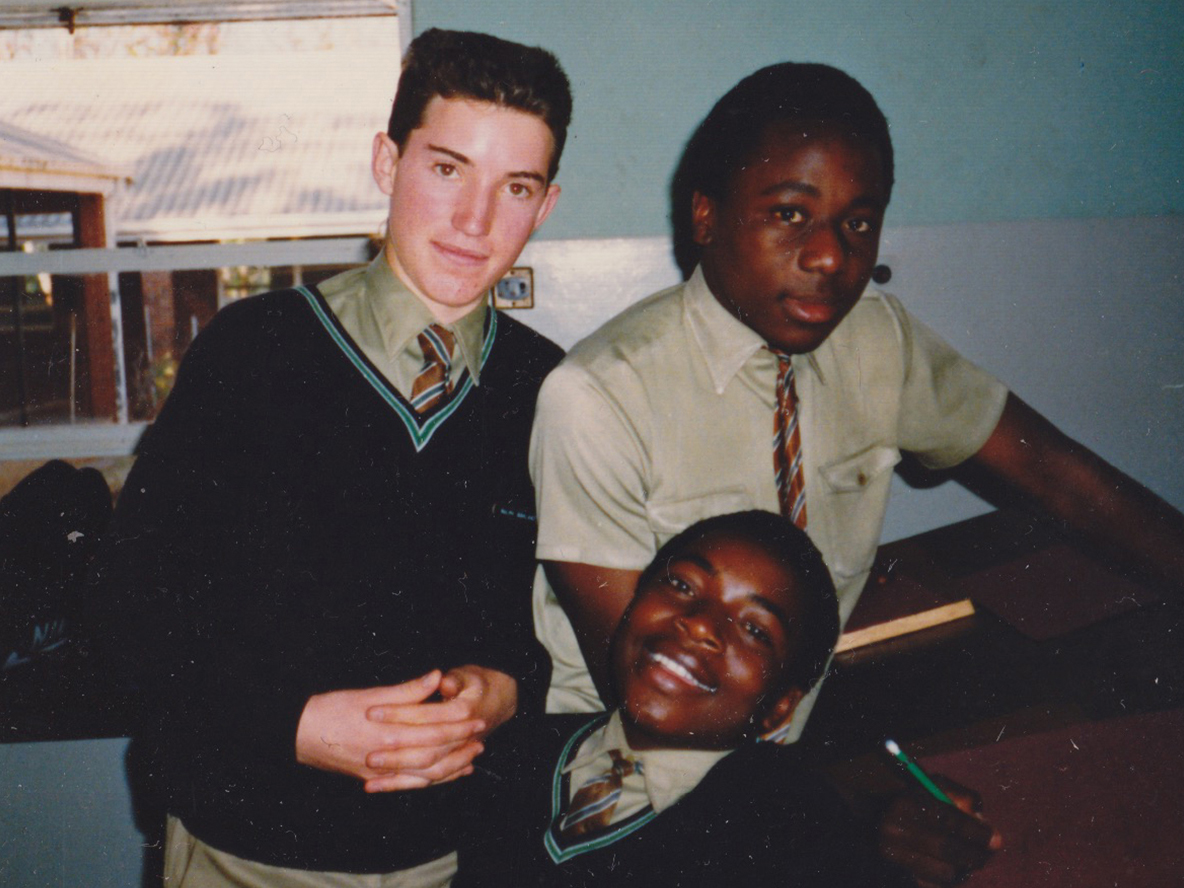
Rocking a box cut, with my technical drawing classmates at high school in 1990.
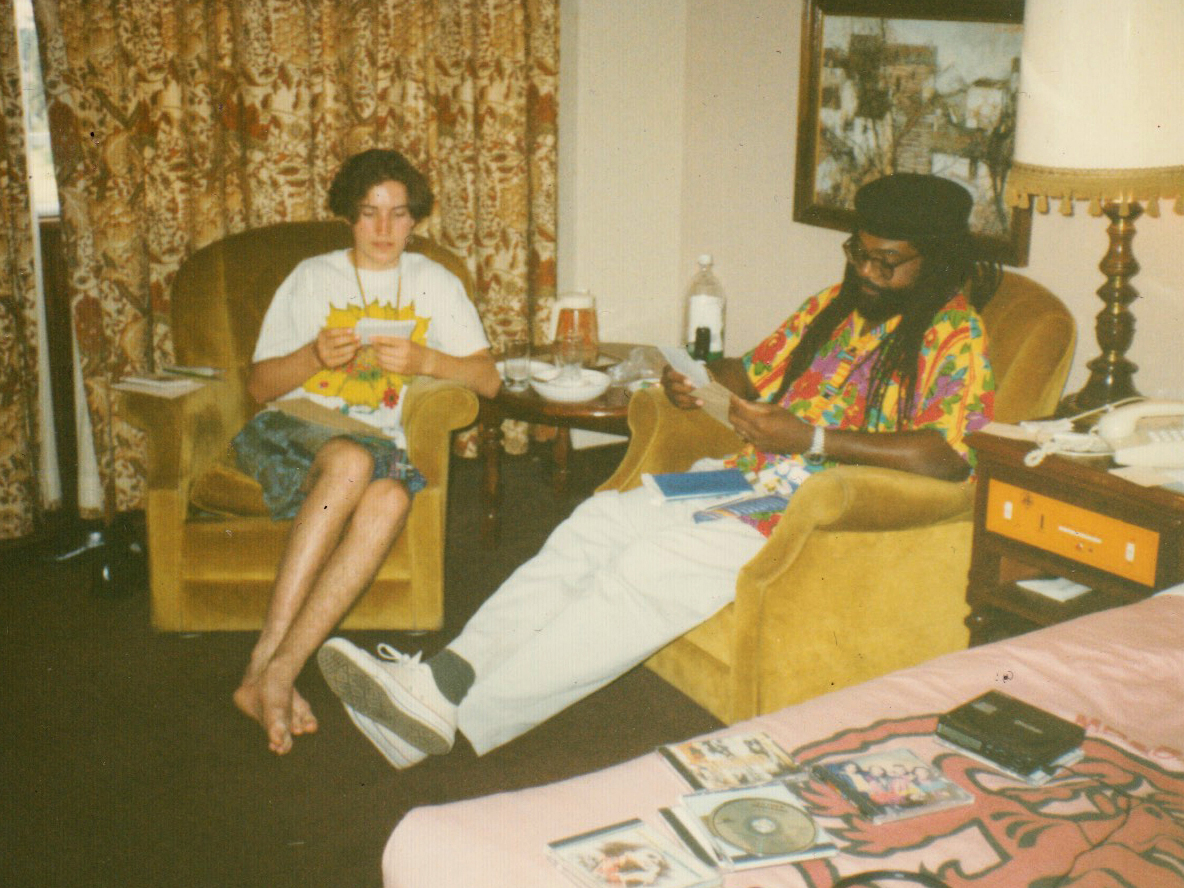
Hanging out with Richard Daley from Third World on their tour to Harare in 1991.
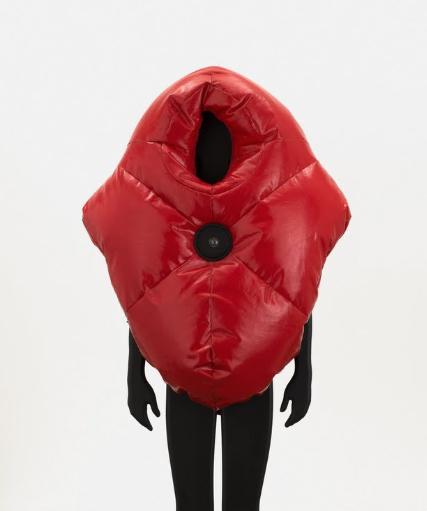
In 2002 you did your Masters degree in the Interactive Telecommunications Program at New York University. This came at a time of unrest, protest and fear in the US. Did these elements inspire your later piece suited for subversion (2005) which forms part of the permanent collection at the MoMA in New York?
I was in NY from 1999 – 2003. My work Suited for Subversion is dated 2002 (the exhibition it was on at the MoMA was in 2005, after which they bought it for their collection). The work came out of my experience taking part in large-scale street protests in the US – first the big anti-globalisation protests in Washington DC and NY, and later antiwar protests after September 11th. I lived in NY for two years before, and two years after 911, and I saw it going down from the street.
I designed a suit that could be worn to protests, and combined elements of my training as a sculptor and artist with my activism.
You were also involved in other forms of protest art and banner making during these years. Can you tell us more about this?
I was part of a broader movement for creative resistance, which wanted to bring elements of performance and the carnivalesque into protest. Make protest fun and gain media attention through tactical interventions. I was working around the time I came up with my suit with members of Las Agencias and The Yes Men who are still active today and have a great record of projects. I didn’t make banners myself but I showed banners by The Beehive Collective on my exhibition Sideshow in Australia in 2006. These were big cloth versions of smaller printed banners I used to have up in my apartment in NY – detailed, trippy representations of political structures using insects as a metaphor.
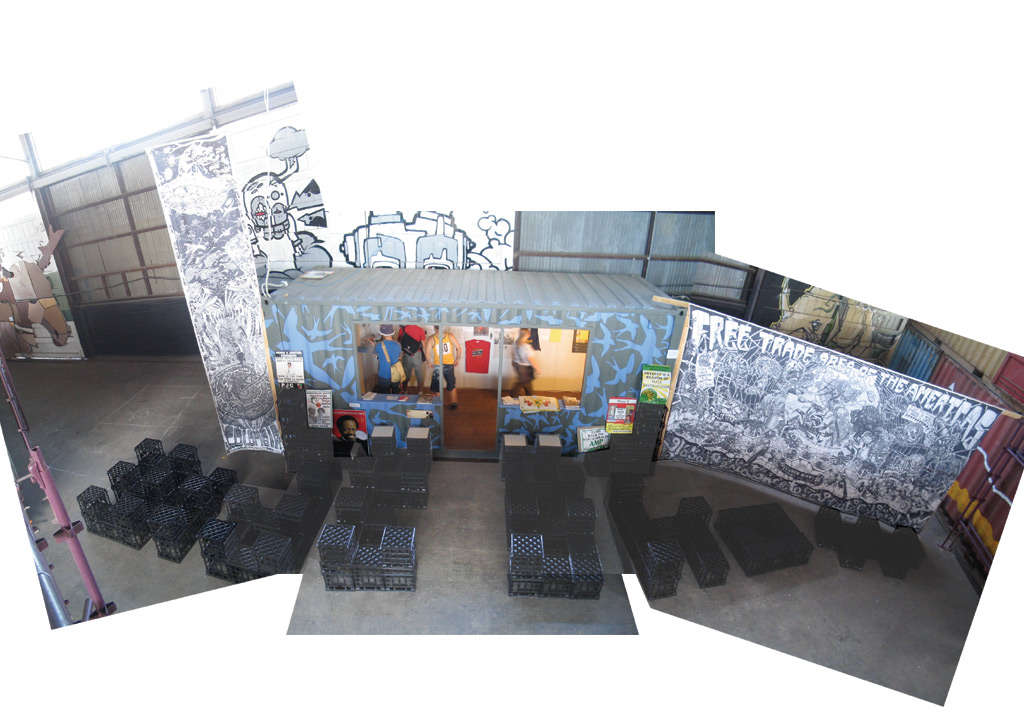
DIY is an exhibition and online archive collecting examples of functional objects from South Africa made by professionals and amateurs. When did this start?
This is a project that started a while back under the World Design Capital umbrella. The photographer Nic Grobler did some great work for this, and I’ll share some of his photos. Thanks to Atlantic House too for hosting it. See diyexhibition.net for more information and some record of the project.
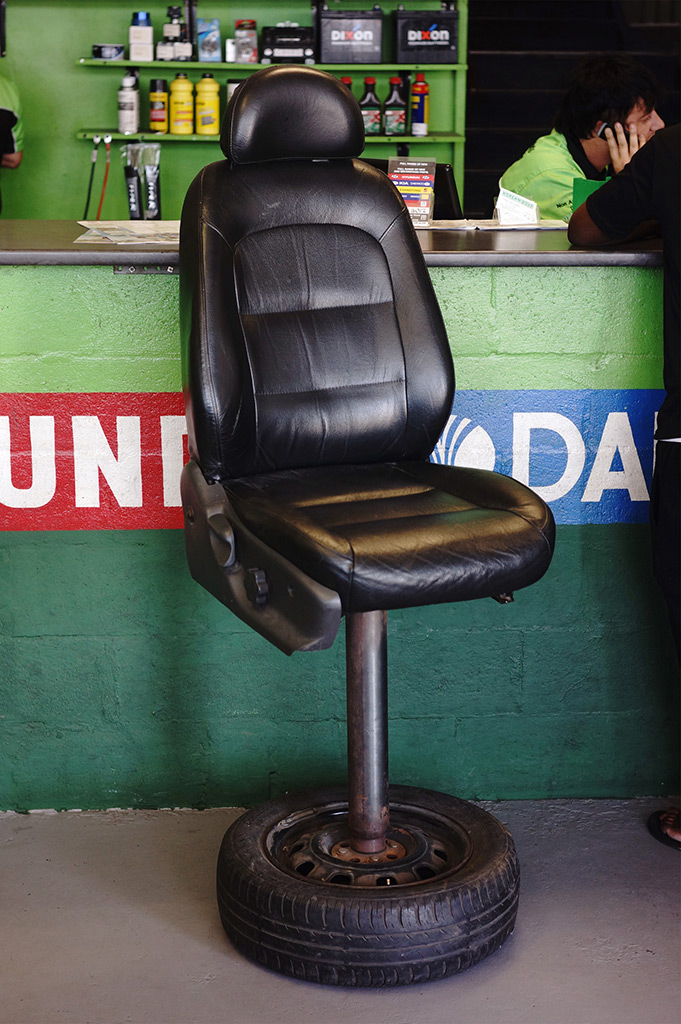
Image © Nic Grobler
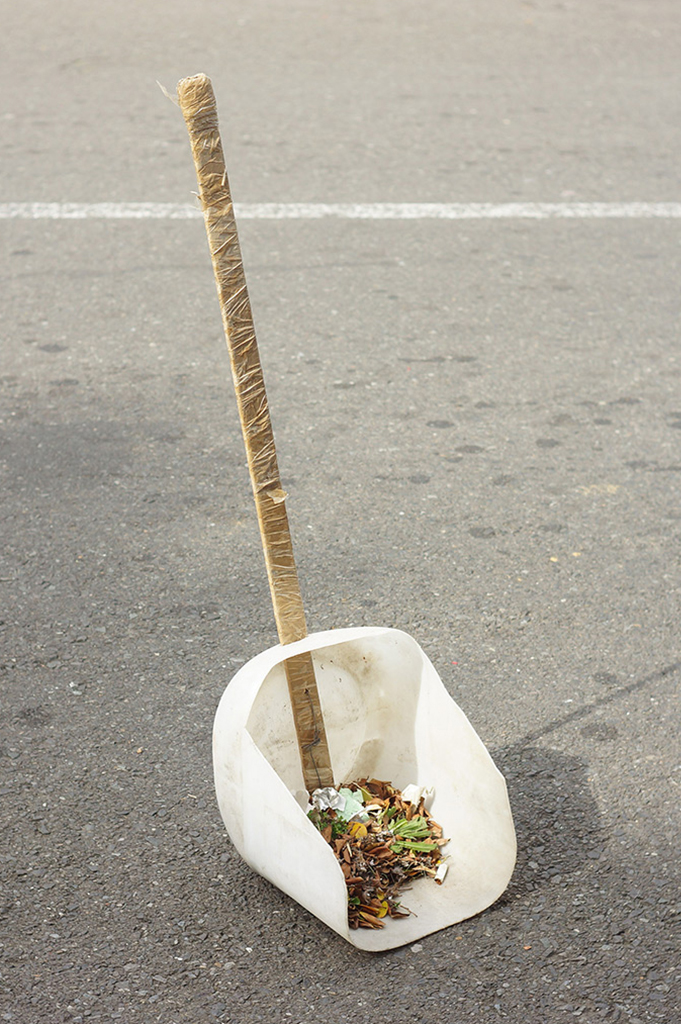
Image © Nic Grobler
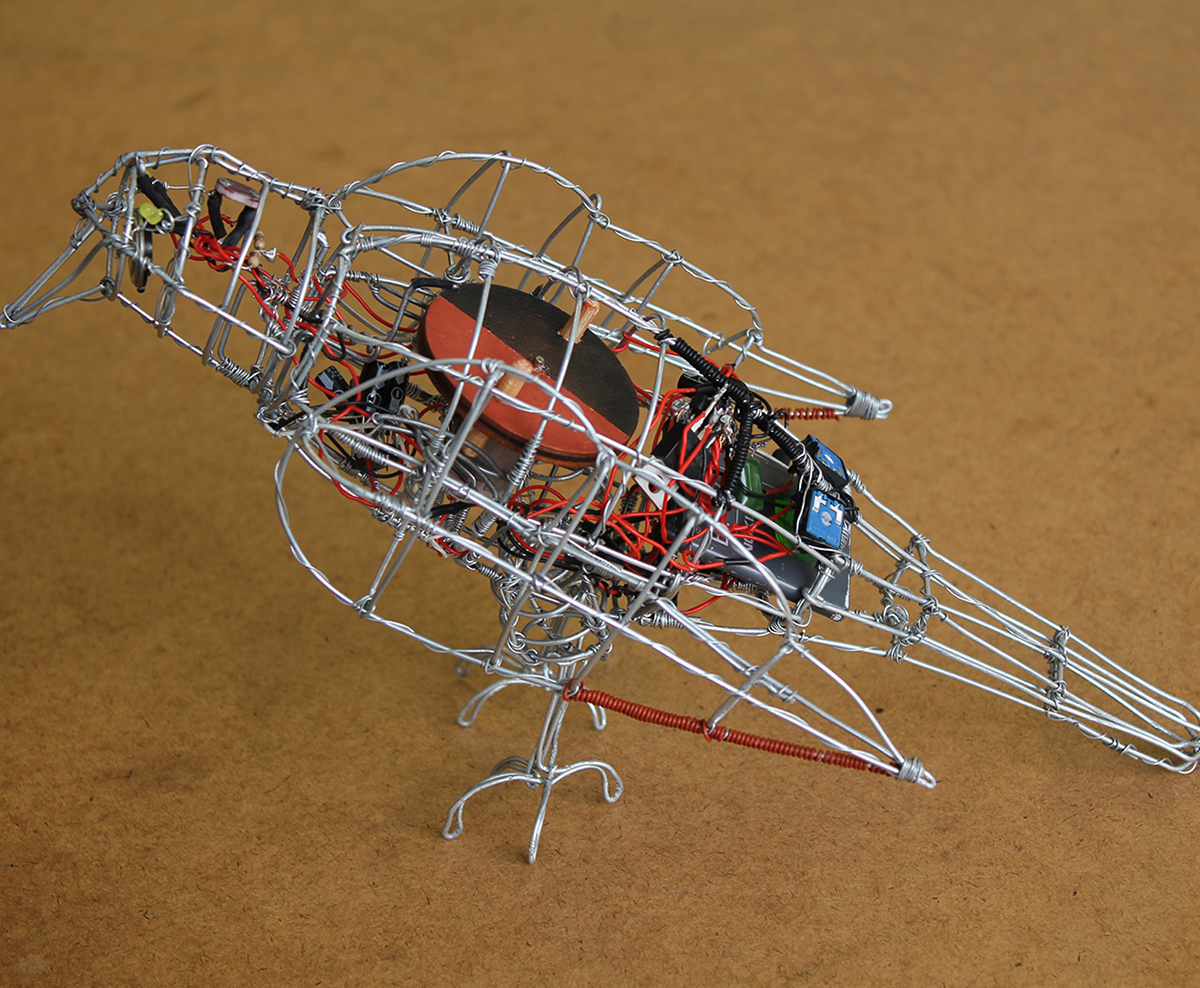
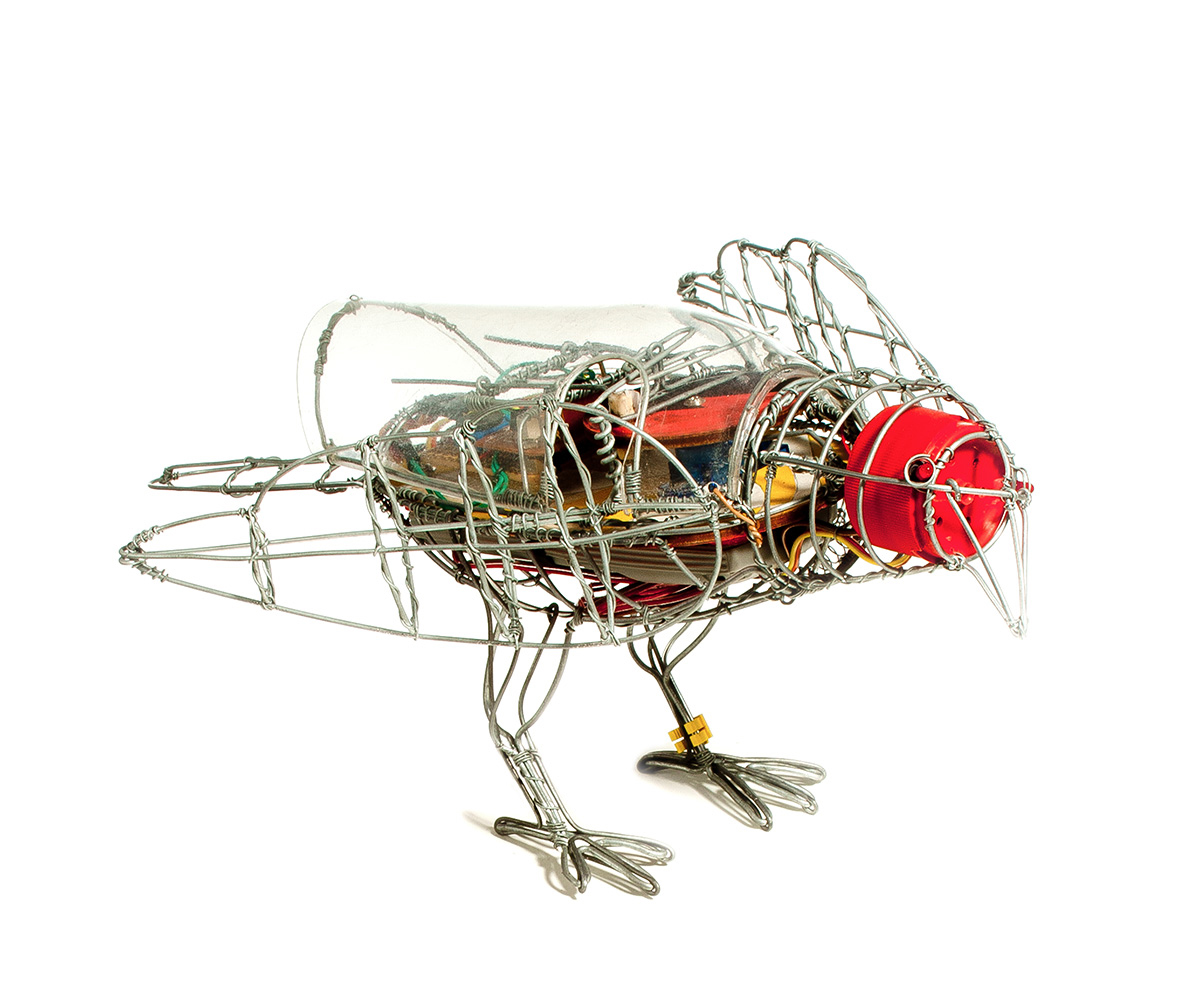
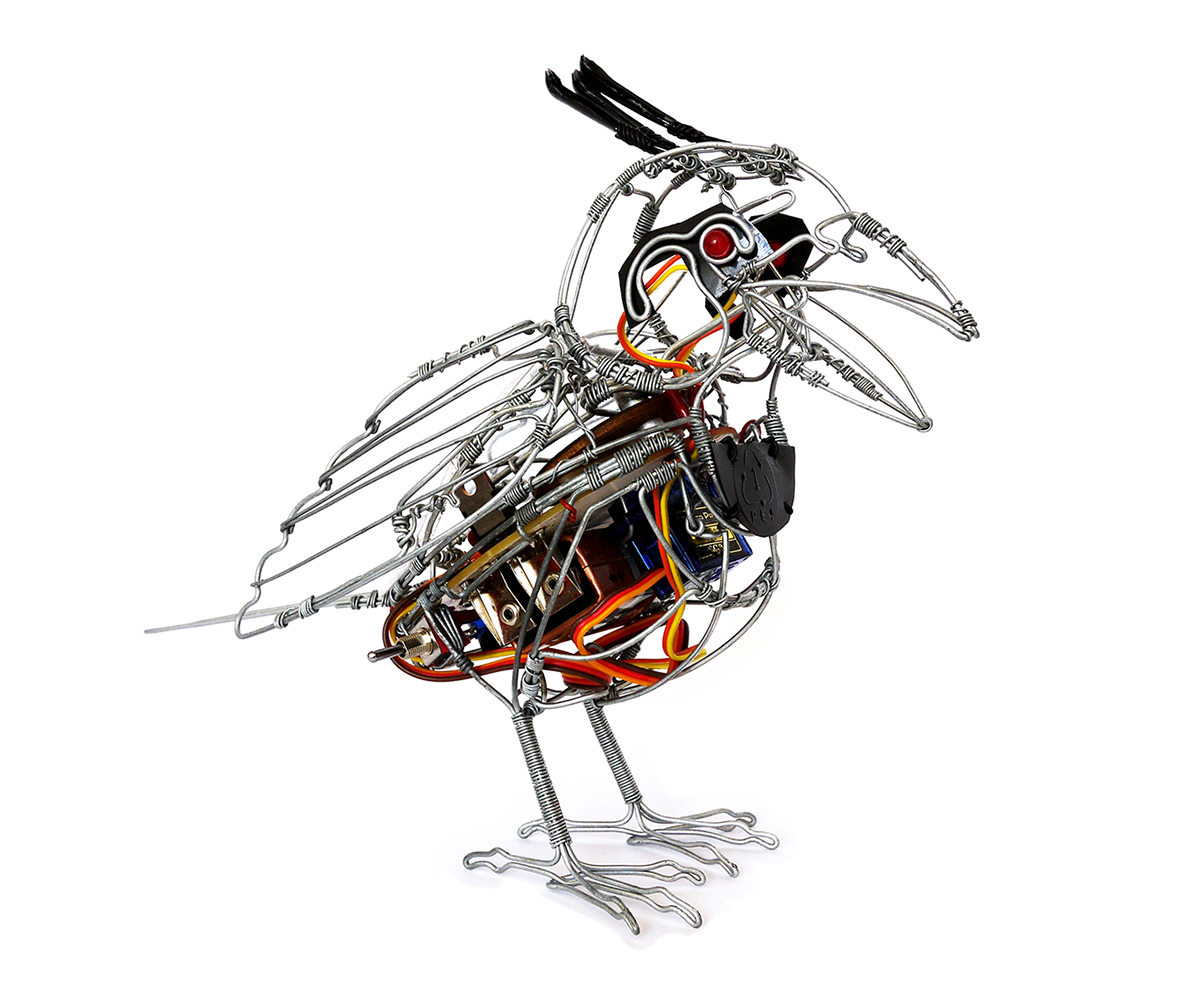
Could you tell us more about the conception of that little wire bird The Starling the interactive wire sculpture you create.
I had the idea for some time that I would like to work with street wire artists, and that animating their work could be a cool thing to do – I had learnt in my Masters at NYU how to use cheap electronic parts for interaction. In 2013 I received a request from a interaction design student at Royal College of Art London about doing an internship in Cape Town. I said he was welcome to come work in my studio, and I asked him to help me realise the idea for an African Robot – a starling that would use phone parts and cheap electronics to move and make sound. It started by brainstorming what we wanted to make, downloading a 3D model of a bird, printing out the pattern for how we imagined making it in wire, and then cycling to the traffic lights (the robots) in Claremont, and commissioning a wire artist Dube Chipangura to work on it. That was it – the first African Robot. That work was put on exhibition, and since then I’ve been applying for grants and funding for it, and making larger and more complex pieces. In the process I got to know a lot more wire artists, and a lot more about wire art. The project is an example of ‘following my nose’, pursuing an idea at my own initiative and seeing where it takes me; and of working with others to help realise ideas.
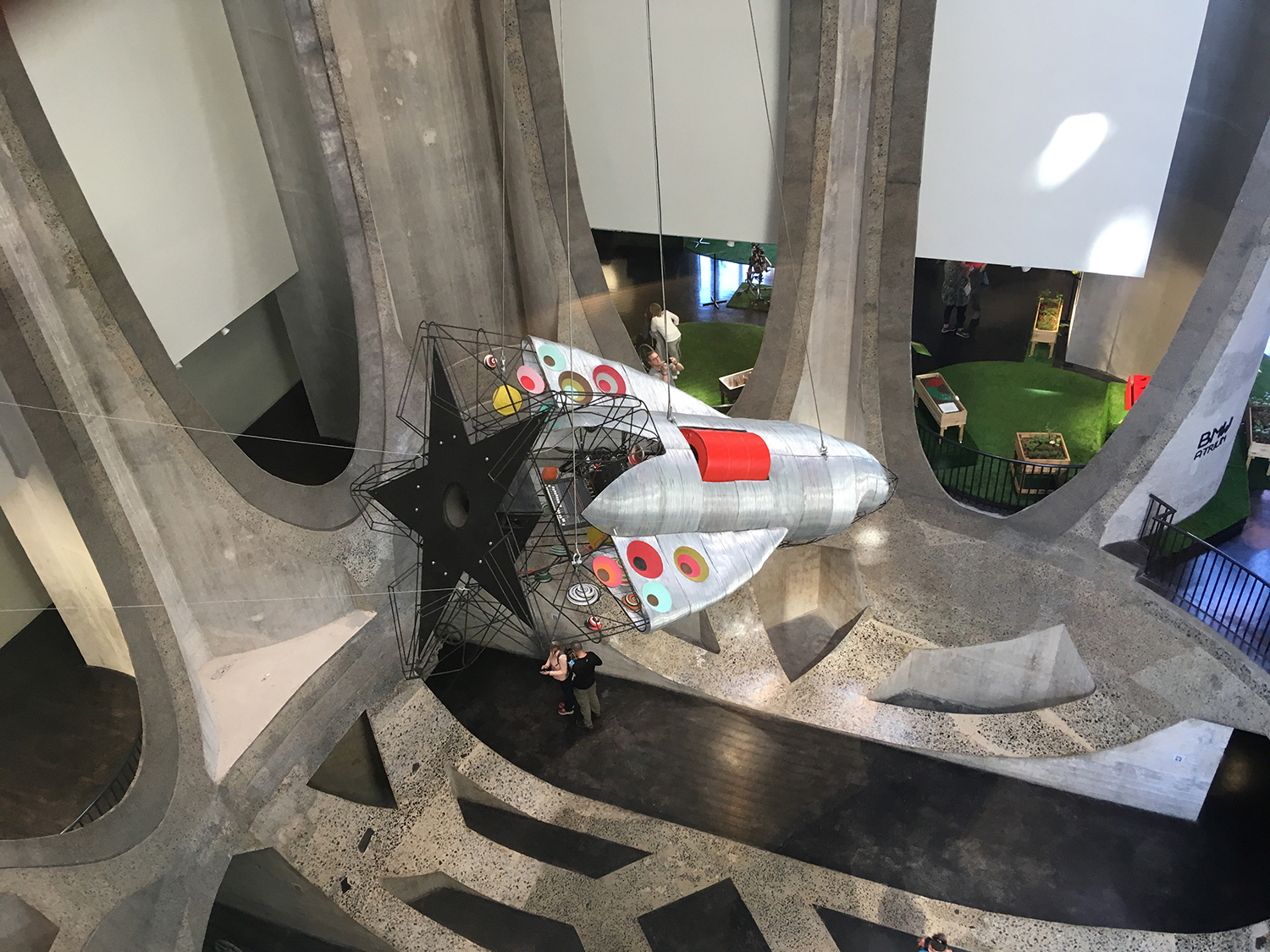
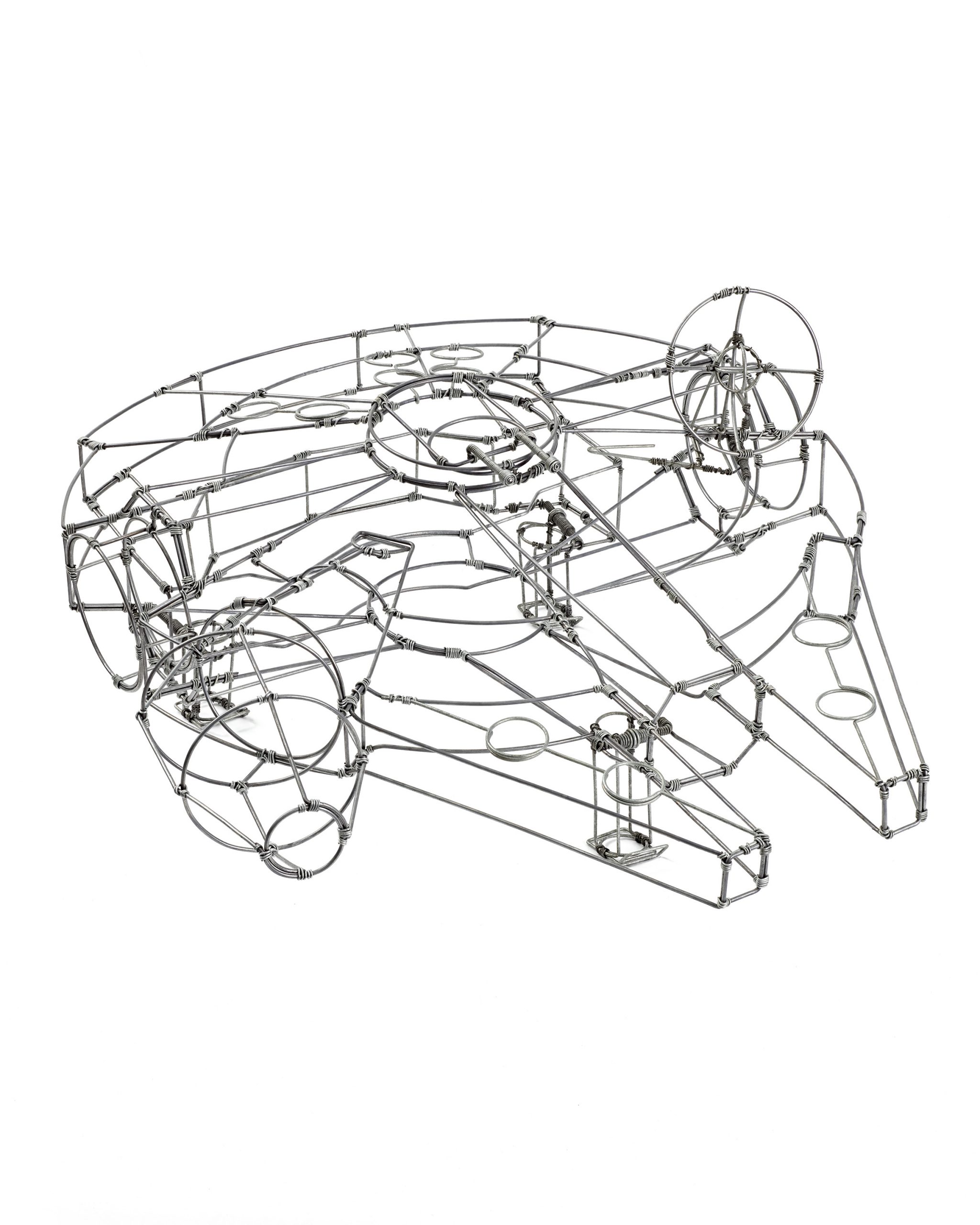
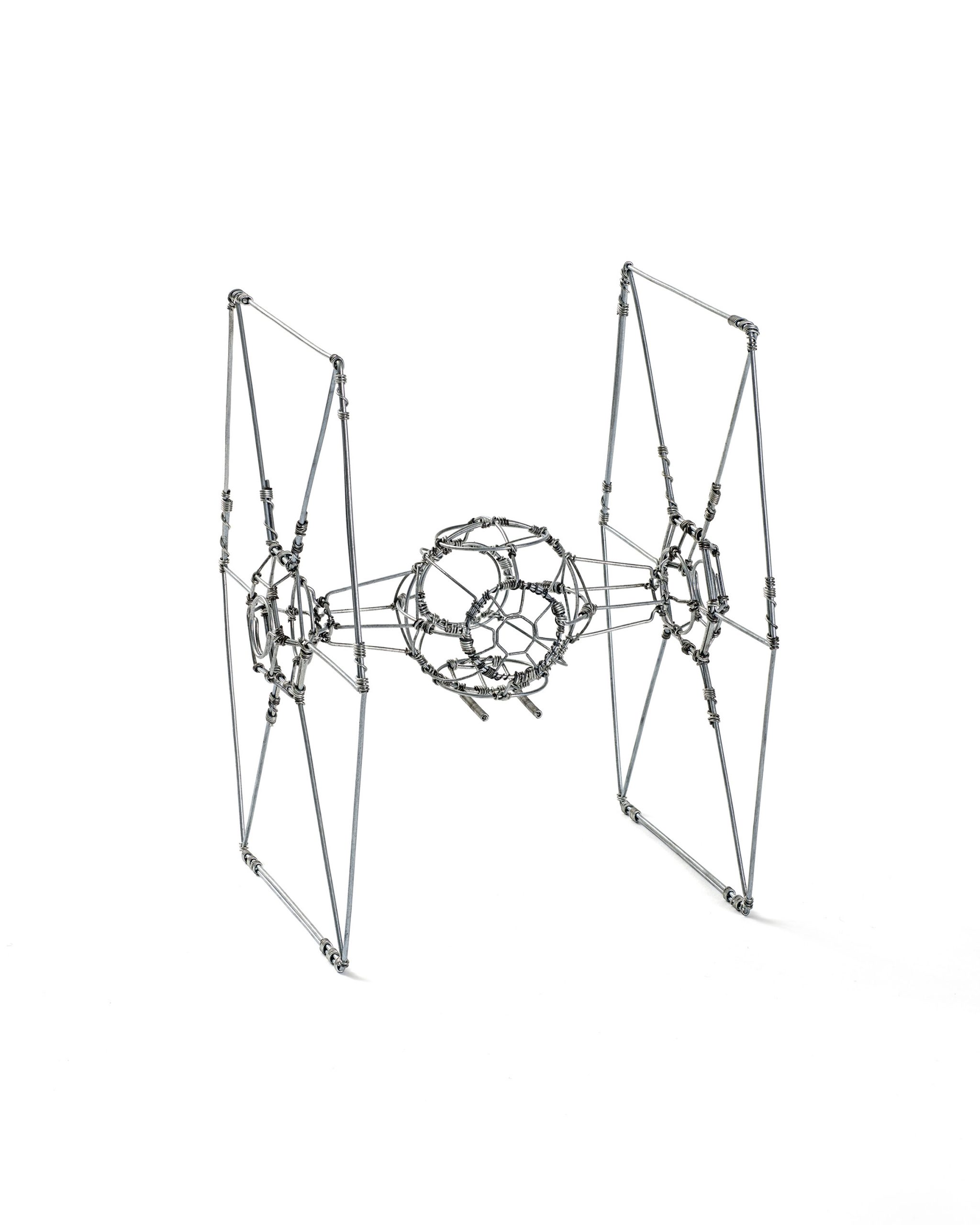
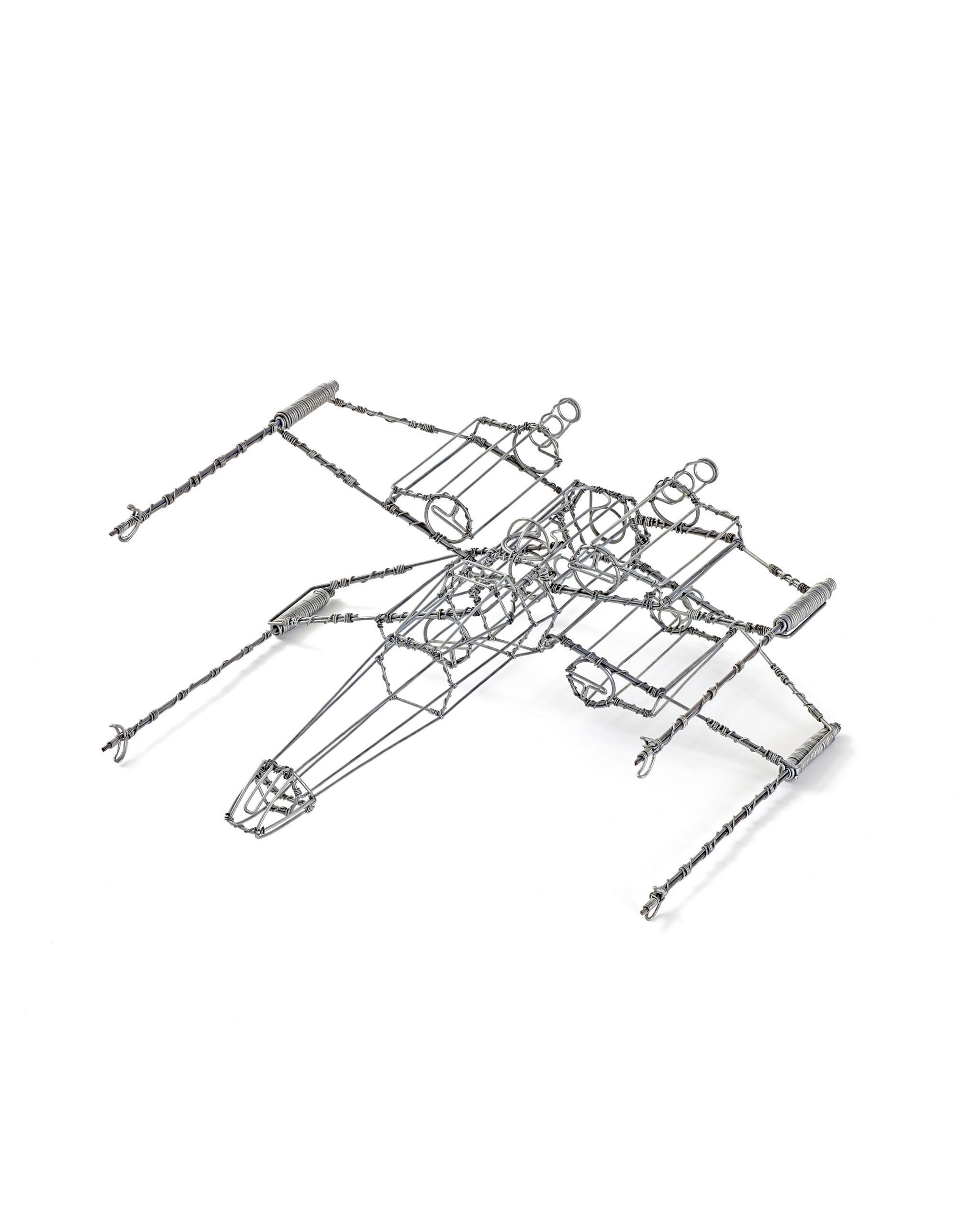
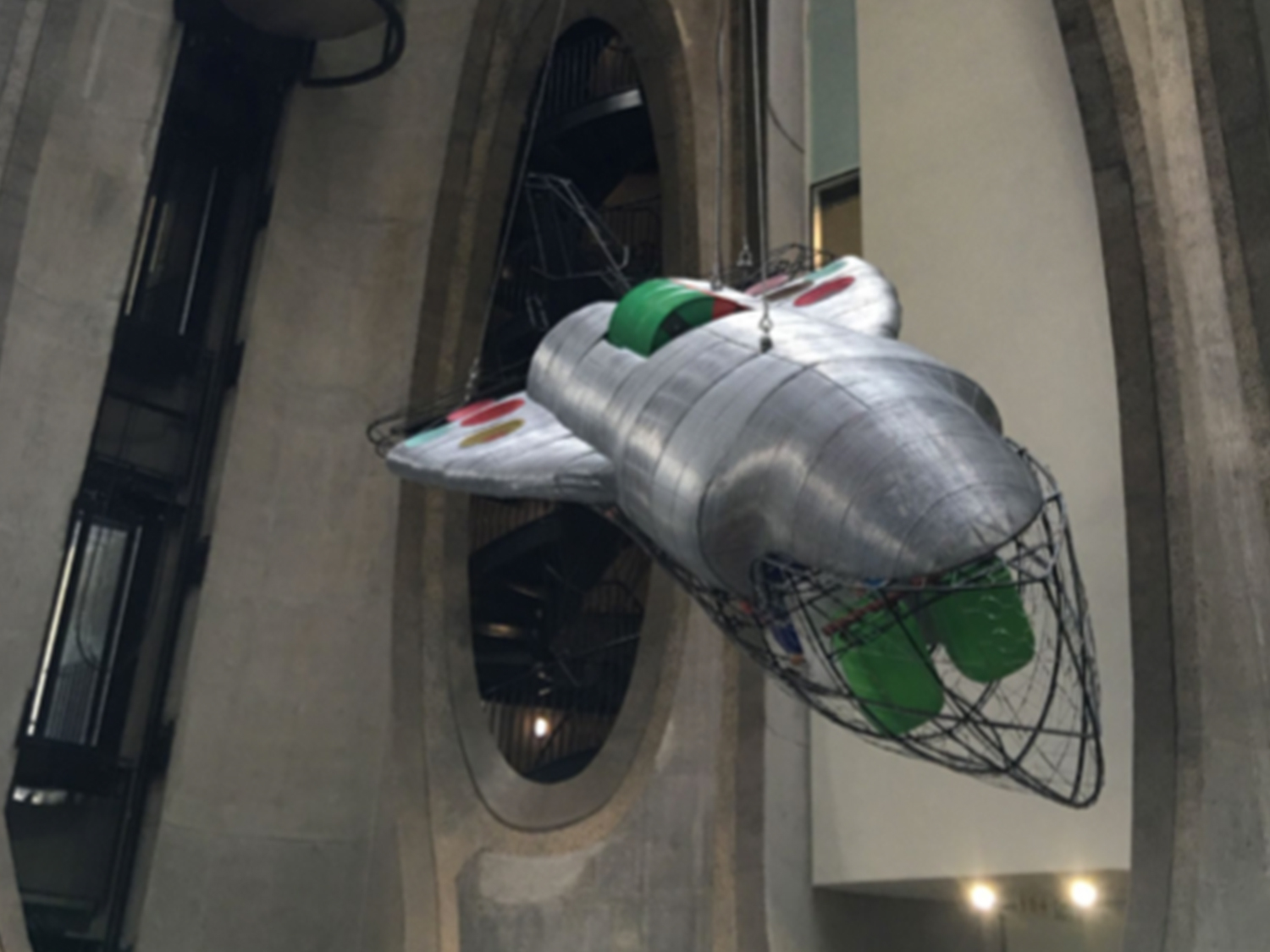
The wire robots also gave rise to the space ships? And ultimately the Dubship that was on exhibition at the MOCAA in 2019. Could you give us some insight into the Dubship and its life?
The genesis of the work is in my teenage years in Harare, where I was exposed to Rasta culture through friends and the images I would see on T-shirts and posters around me; including the image of Marcus Garvey. I dug the scene, and have kept in touch with it since then, playing reggae, dancehall and dub as a DJ, and hanging out with people who are into it too. Elements of Rasta culture, and especially its music, is big in Zimbabwe, and with the Zimbabwean wire artists I work with, for whom dreads are also an expression of their artistic choice of career. The Dubship is an expression of our shared interest in wire art and dub, and some of the histories and narratives that intersect with this. Check out the overview doc attached for the writeup.
A more recent project, grass-like sculptures in the park in Cape Town? Please can you tell us more about that?
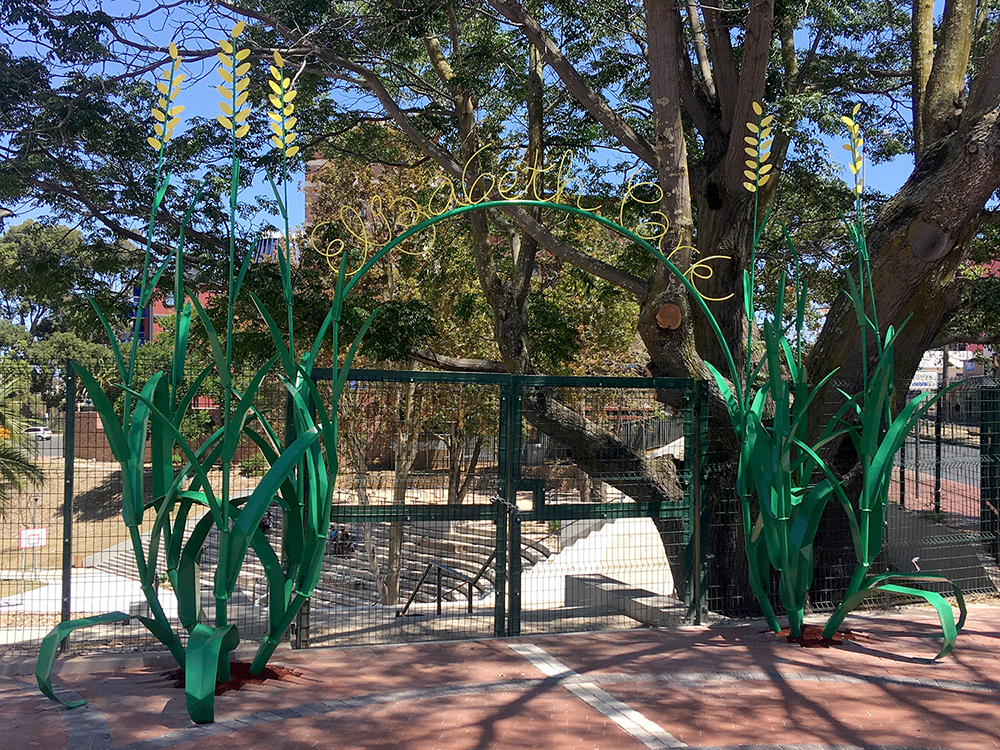
I worked with some of the same people on this project as the Dubship: Jason Stapleton for the VR and 3D, Thingking for the fabrication. It continues my interest in African Robots and SPACECRAFT with movement between virtual or digital forms and real materials and hand processes. The grasses and birds were conceived in 3D, and produced in real life with a combination of computer-controlled and hand processes. I supposed my interest in ‘low poly’ 3D and the digital wire frame comes from growing up in the 1980s when computer graphics and 3D were just beginning, and I have a nostalgic interest in the origins and aesthetics of the age we are now in, dominated by computers and the digital. There’s something friendlier about this early computing compared to the slick surfaces and hidden mechanics of today’s computers.
Here is some info on the project:
(Text supplied by Ralph Borland)
Ralph Borland was commissioned to design a series of public art and design works for the City of Cape Town as part of their urban upgrade around Kruskal Avenue in Belville, Cape Town.
Kruskal Avenue is a pedestrian area close to a major transport interchange, where a train station, bus terminus and mini-bus taxi rank ferry people across Cape Town. Civic services like the tax office, library, park and town hall are sited here, along with shops and informal traders selling their wares to commuters.
The area is home to many communities, including immigrants from Somalia, Ethiopia, and Pakistan, alongside locals. Voortrekker Road, which runs through here on its way to Cape Town, has been a major thoroughfare for hundreds of years, and was a route in precolonial times.
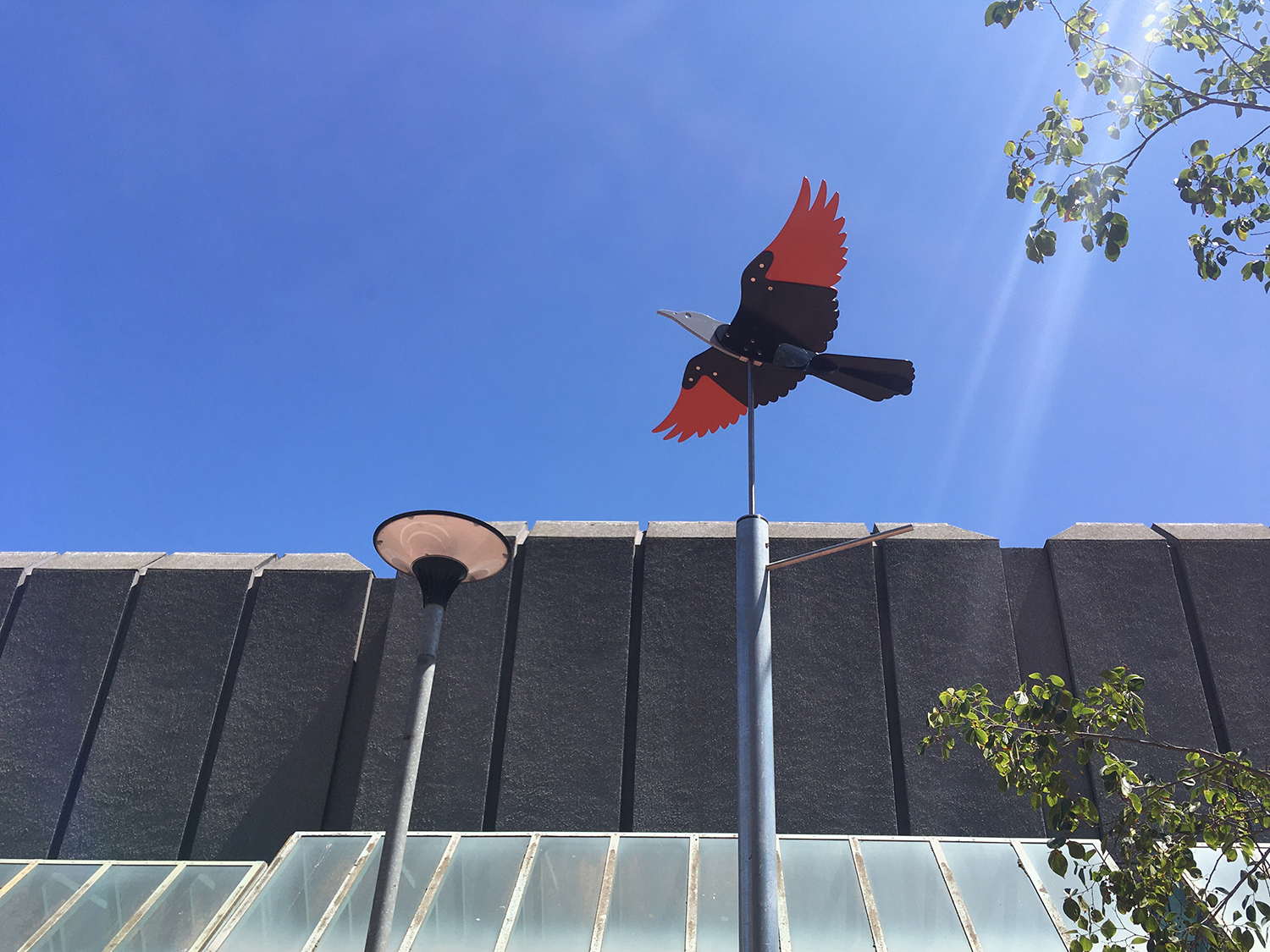
Ralph devised two main art and design pieces for the site: a series of bird wind-mobiles, and giant sculptural grasses forming the entrance to Elizabeth Park at the corner of Durban and Voortrekker Roads.
The bird wind-mobiles are modelled on the Red-winged Starling, a bird found from Cape Town all the way up the east coast of Africa to Somalia. Starlings are clever and resourceful birds at home in nature or in the city.
The giant grasses, steel, celebrate the persistence of nature in the city, monumentalizing the tiny grasses that grow up through cracks in the pavement. The work represents tenacity and fruitfulness, of flourishing on little.
Both artworks draw attention to small natural elements of the space that might otherwise be overlooked, and reflect to the people who inhabit the site their own resourcefulness and tenacity.
The process of making the works involved working in a VR environment for the Elizabeth Park archway, using a laser-scanned 3D model of the site, in which Ralph could sculpt the giant grasses. Jason Stapleton of Ambient 3D was the technical wizard here.
Fabrication company Thingking who Ralph has worked with on several projects realised the designs in metal, which were made with a combination of computer-controlled cutting and bending, welding and painting.
@bckface on Instagram
@wearethingking on Instagram
Ralph Borland
Ralph Borland, Cape Town based artist whose subversive art stretches globally.